
Veteran-owned business
Product Usage: This PRODUCT IS INTENDED AS A RESEARCH CHEMICAL ONLY. This designation allows the use of research chemicals strictly for in vitro testing and laboratory experimentation only. All product information available on this website is for educational purposes only. Bodily introduction of any kind into humans or animals is strictly forbidden by law. This product should only be handled by licensed, qualified professionals. This product is not a drug, food, or cosmetic and may not be misbranded, misused or mislabeled as a drug, food or cosmetic.

For research use only. Not for human consumption.

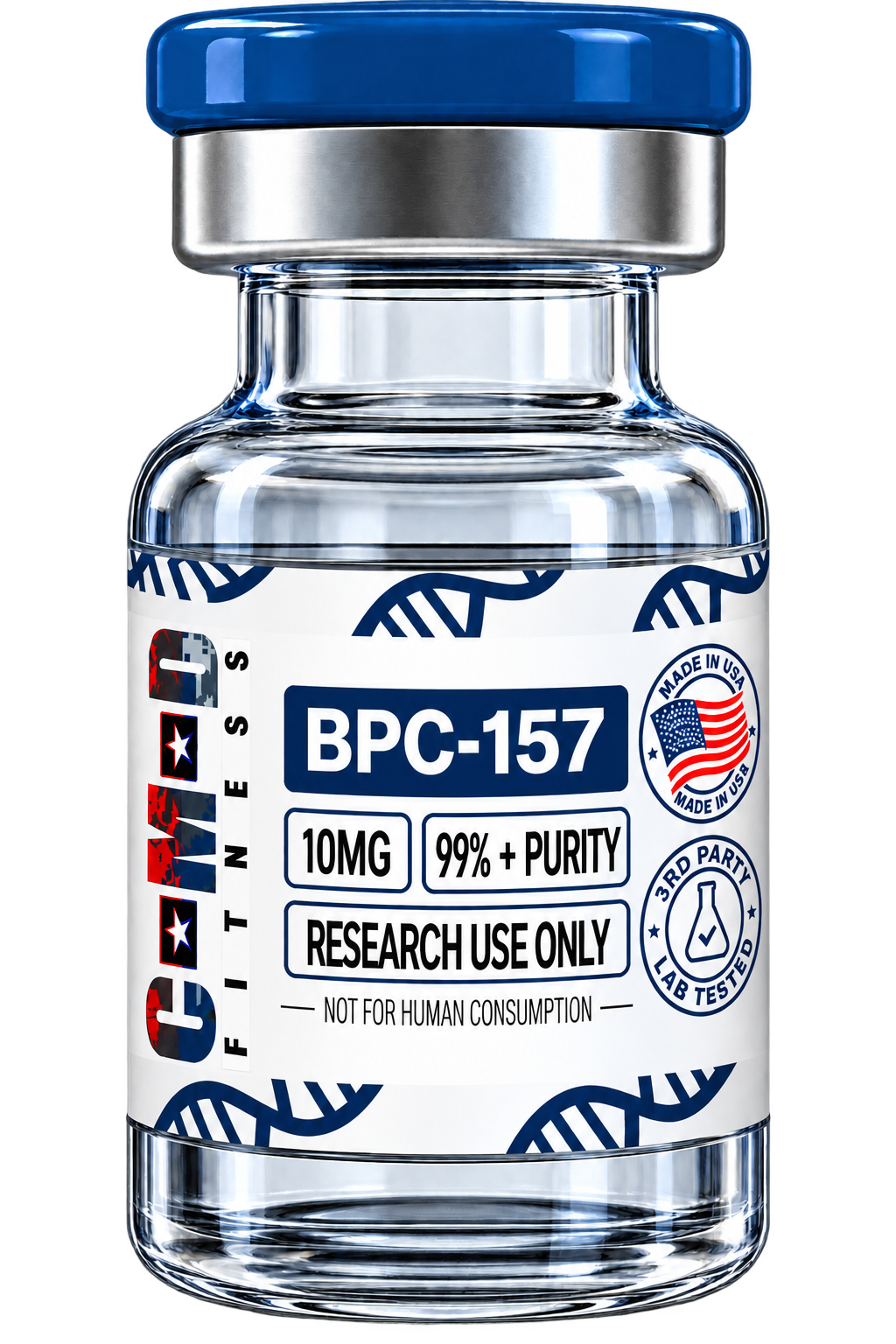
BPC-157

The BPC-157 and TB-500 blend combines two well-characterized research peptides studied for their roles in cellular repair, angiogenesis, and tissue remodeling. BPC-157 is a 15 amino acid gastric peptide fragment that modulates nitric oxide pathways and growth factor signaling. TB-500, a segment of Thymosin Beta-4, regulates actin polymerization and promotes cytoskeletal organization. Together, these peptides are used in preclinical research investigating regenerative biology, wound modulation, and peptide-mediated cellular recovery mechanisms.

For research use only. Not for human consumption.

References:
Sikiric P et al., Curr Pharm Des, 2018 24(18):2002–2030
Goldstein AL et al., Ann NY Acad Sci, 2007 1112:148–154
Malinda KM et al., FASEB J, 1999 13(14):2106–2114

Price:

$60.00

Select Quantity:

7 in stock

Overview

Research reveals that TESAMORELIN may have complementary actions in wound repair biology. Although both peptides have been studied in the context of healing and inflammation control, they appear to influence tissue repair through different biochemical “entry points.” This creates a plausible rationale for synergy when the two are evaluated together in controlled laboratory models.

From a research-design standpoint, the key hypothesis is not that the peptides duplicate each other’s effects, but that they may support different rate-limiting steps in repair—such as cellular recruitment to the injury site, fibroblast function, extracellular matrix organization, angiogenesis, and the transition from inflammatory signaling to remodeling. The sections below organize the mechanistic rationale into a structured framework to support experimental planning and outcome measurement.

Biochemical
Characteristics

Research reveals that TESAMORELIN may have complementary actions in wound repair biology. Although both peptides have been studied in the context of healing and inflammation control, they appear to influence tissue repair through different biochemical “entry points.” This creates a plausible rationale for synergy when the two are evaluated together in controlled laboratory models.

From a research-design standpoint, the key hypothesis is not that the peptides duplicate each other’s effects, but that they may support different rate-limiting steps in repair—such as cellular recruitment to the injury site, fibroblast function, extracellular matrix organization, angiogenesis, and the transition from inflammatory signaling to remodeling. The sections below organize the mechanistic rationale into a structured framework to support experimental planning and outcome measurement.

Research Applications

Research reveals that TESAMORELIN may have complementary actions in wound repair biology. Although both peptides have been studied in the context of healing and inflammation control, they appear to influence tissue repair through different biochemical “entry points.” This creates a plausible rationale for synergy when the two are evaluated together in controlled laboratory models.

From a research-design standpoint, the key hypothesis is not that the peptides duplicate each other’s effects, but that they may support different rate-limiting steps in repair—such as cellular recruitment to the injury site, fibroblast function, extracellular matrix organization, angiogenesis, and the transition from inflammatory signaling to remodeling. The sections below organize the mechanistic rationale into a structured framework to support experimental planning and outcome measurement.

Chemical Properties
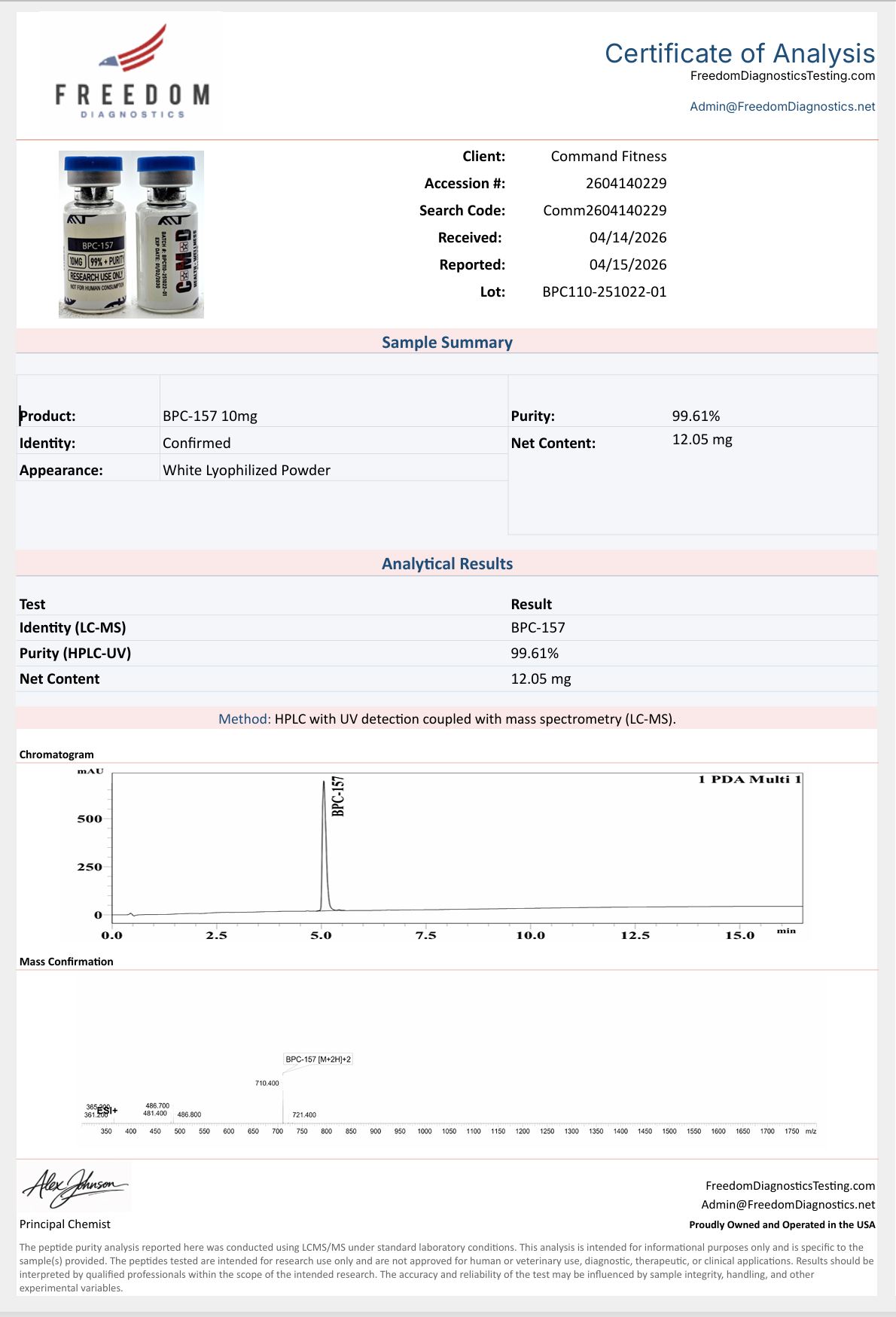
COA /HPLC / MS

3rd Party Testing

From a research-design standpoint, the key hypothesis is not that the peptides duplicate each other’s effects, but that they may support different rate-limiting steps in repair—such as cellular recruitment to the injury site, fibroblast function, extracellular matrix organization, angiogenesis, and the transition from inflammatory signaling to remodeling. The sections below organize the mechanistic rationale into a structured framework to support experimental planning and outcome measurement.

Storage

Research reveals that TESAMORELIN may have complementary actions in wound repair biology. Although both peptides have been studied in the context of healing and inflammation control, they appear to influence tissue repair through different biochemical “entry points.” This creates a plausible rationale for synergy when the two are evaluated together in controlled laboratory models.

Your cart is currently empty.

Return to shop

Category
0